Is 40 hours a guaranteed length?
No. It is the reviewer’s reported experience; exploration, retries and the choices you pursue will change your total.
 Dawnwalker Guide
Content updated:
IGN’s review describes a roughly 40-hour playthrough. That is one reviewer’s experience, not a completionist average. The game’s 30 days and 30 nights are a story resource spent on actions, not a limit of 30 real days or 30 hours.
This publisher clip illustrates consequential choices. For the review’s playtime discussion, follow the 01:15 chapter link below.
Open the official feature overview ↗First play session? Start with the spoiler-light beginner route for combat, quest time and learning checks.
IGN describes a roughly 40-hour journey in the linked video. Watch the context around 01:15. We have not collected a completionist or speedrun sample to calculate separate averages.
| Measure | Tells you | Does not tell you |
|---|---|---|
| Real playtime | How long someone played | Your guaranteed duration |
| 30 days / 30 nights | The story action budget | A constantly running real-time countdown |
| Time-costing action | A campaign-clock commitment | That all walking consumes time |
| Another playthrough | Different choices to explore | A fixed extra number of hours |
The publisher says exploration does not advance the clock automatically; certain quest steps do. Learning abilities also costs time. Bandai Namco: Time and combat explained; Rebel Wolves / Bandai Namco: Skills & Power.
Choose a few priorities—a relationship, a mystery, a fighting style—and watch their costs. A route built around your interests is more useful than treating another player’s hours as a target. In Xbox Wire’s July preview, hourglass icons marked time-consuming prompts before confirmation. Treat this as a cue to inspect in your current version, not proof that every interaction uses an identical prompt. Xbox Wire: Hands-on preview (7 July 2026).
| Action | Officially described time relationship | Planning implication |
|---|---|---|
| Explore the valley | Exploration alone does not advance the story clock automatically. | Take time to inspect the area before deciding. |
| Start or advance certain quests | Some quest actions spend time segments. | Check the presented cost instead of assuming all conversations are free. |
| Learn or improve an ability | Progression requires time as well as skill points and knowledge. | Include training in your budget, not only quest completion. |
The quest distinction comes from the 13 August 2026 features briefing; learning costs come from the 31 August Skills & Power bulletin. Neither statement makes 30 in-game days equivalent to a fixed number of real-world hours. Bandai Namco: Time and combat explained; Rebel Wolves / Bandai Namco: Skills & Power.
For a first run, keep a short list of the commitments you most want to pursue. Before accepting a costly action, compare it with that list. If you are unsure, investigate the area and gather context first. This is a spoiler-light planning suggestion, not a route guaranteed to finish every quest.
| Your situation | Decision to make | Avoid this assumption |
|---|---|---|
| You reach an unfamiliar settlement | Explore and learn what is available, then assess any action that presents a time cost. | Entering a new area means you must accept every quest there. |
| You have enough points for a skill | Compare its learning requirements with the quest commitments you still want to make. | Available points mean training has no other cost. |
| An important quest action is offered | Read the prompt, check your remaining budget and decide whether this matches your priorities. | A side activity is automatically free because it is not the main objective. |
These are planning examples, not a prescribed quest order. For combat readiness, use the blocking and parrying practice sequence before assuming that another skill purchase will solve the encounter.
Keep a way back to a decision you have not yet committed to. The following is a cautious save-management checklist, not a verified Dawnwalker save-menu walkthrough:
Steam’s support guidance warns that ignoring synchronization problems can lose progress and that lost saves may not be recoverable. This is platform advice, not confirmation that every Dawnwalker save is uploaded or that PC and console saves are interchangeable. Steam Support: Cloud synchronization and conflicts.
We have not verified a universal quicksave key, the number of autosave slots or a safe file-restoration procedure for the current game build. Do not use an unverified save-folder path or delete files to try to recover a run.
Use the skill-unlock checklist when deciding whether to train next, or the exploration guide when you want to keep investigating. This page does not claim a universal fast-travel cost or a complete list of timed actions.
If you dislike constant real-time pressure, free exploration is an important distinction. If you dislike costly choices themselves, watch the time-system chapter around 09:12 before buying.
Dialogue, exploration and retries can all change your total. They explain variation without justifying an invented precise range. The review breakdown includes both praise and reservations about the structure; the world guide introduces places worth investigating.
No. It is the reviewer’s reported experience; exploration, retries and the choices you pursue will change your total.
No. The publisher says exploration does not advance the clock automatically; certain quest actions spend time segments.
The official briefing says you will not have time to do everything. A route with deliberate priorities is a better expectation than a universal all-quests run.
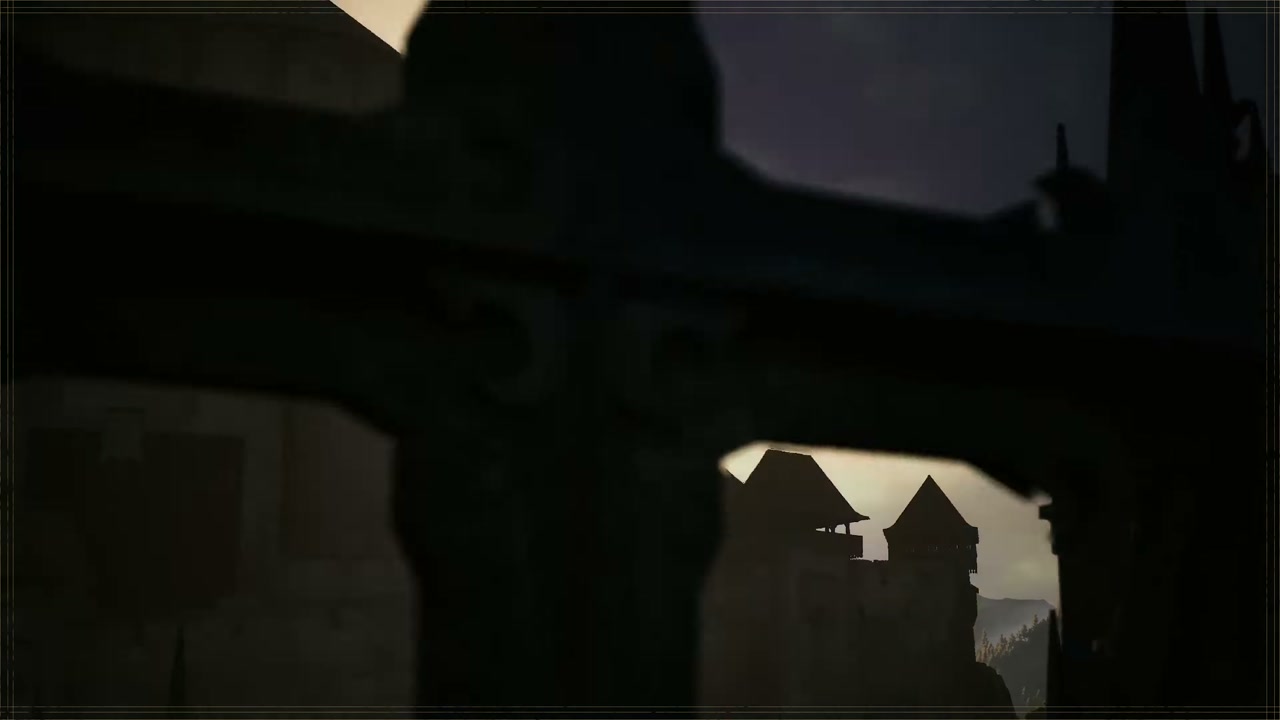
The Blood of Dawnwalker combines directional sword combat with daytime Witchcraft and nighttime Vampirism. Omniattack and omniblock offer automatic direction selection. Exploration alone does not consume the 30-day story budget, but certain quest steps and learning actions do.
Read guide →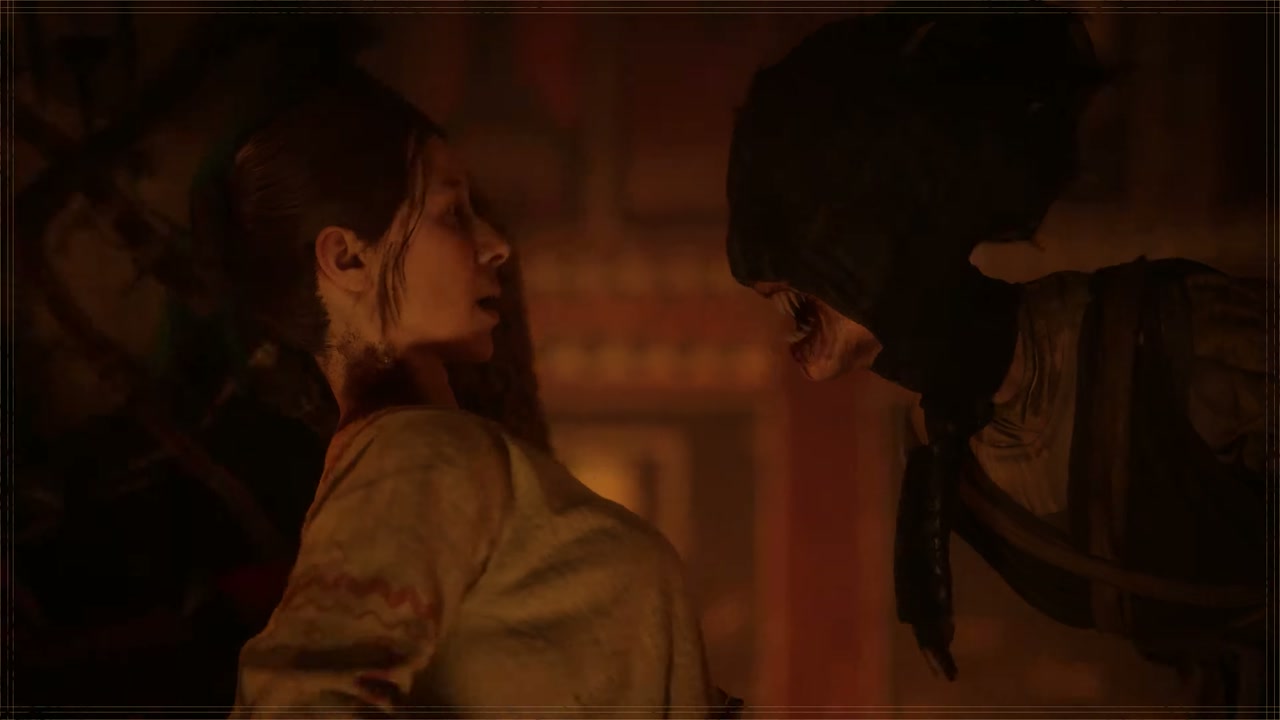
Coen is the protagonist of The Blood of Dawnwalker. Bandai Namco describes him as a Dawnwalker who is human by day and vampire by night, searching Vale Sangora for a way to save his family from Brencis.
Read guide →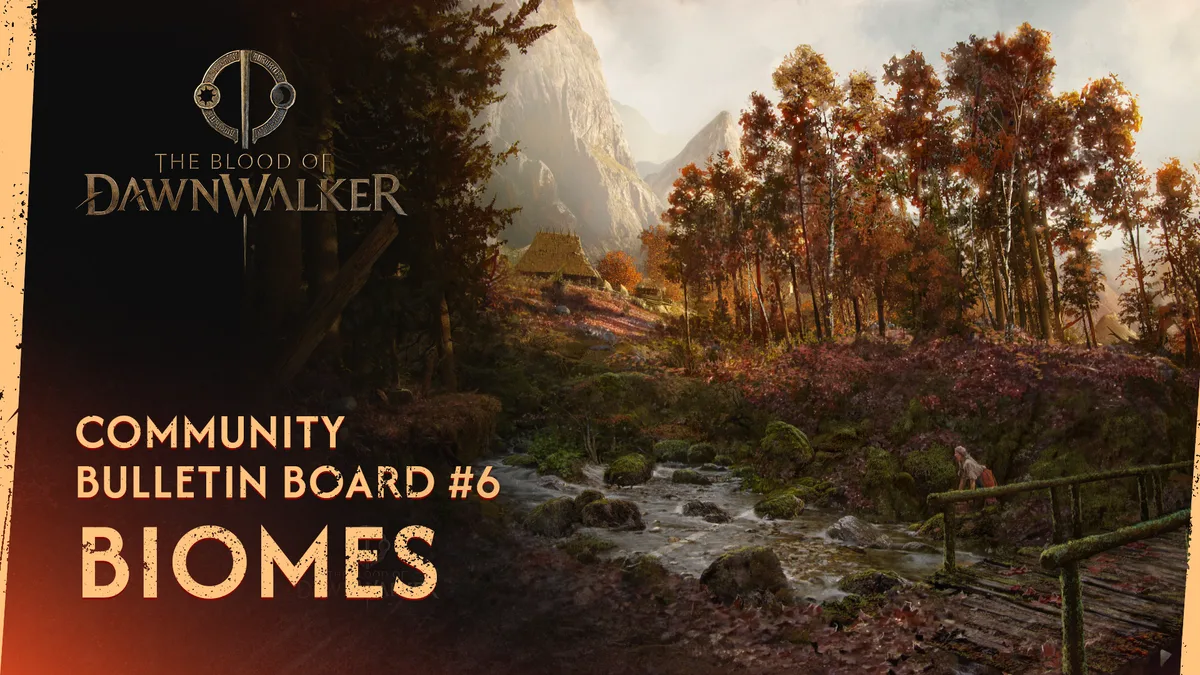
Vale Sangora is a handcrafted open world with forests, mountain paths, settlements and underground routes. The official world bulletins do not give a measured square-kilometre area; this guide focuses on its geography and how to explore without confusing travel with the quest clock.
Read guide →Regional store options, availability, and purchase terms can change. Use Bandai Namco’s official game hub for the current version.